NASA Reconfigures Artemis Architecture to Target 2028 Moon Landing
The space agency has finalized a new docking strategy for Starship and Orion to streamline the path to the lunar surface.
By Dmitri Sokolov ·
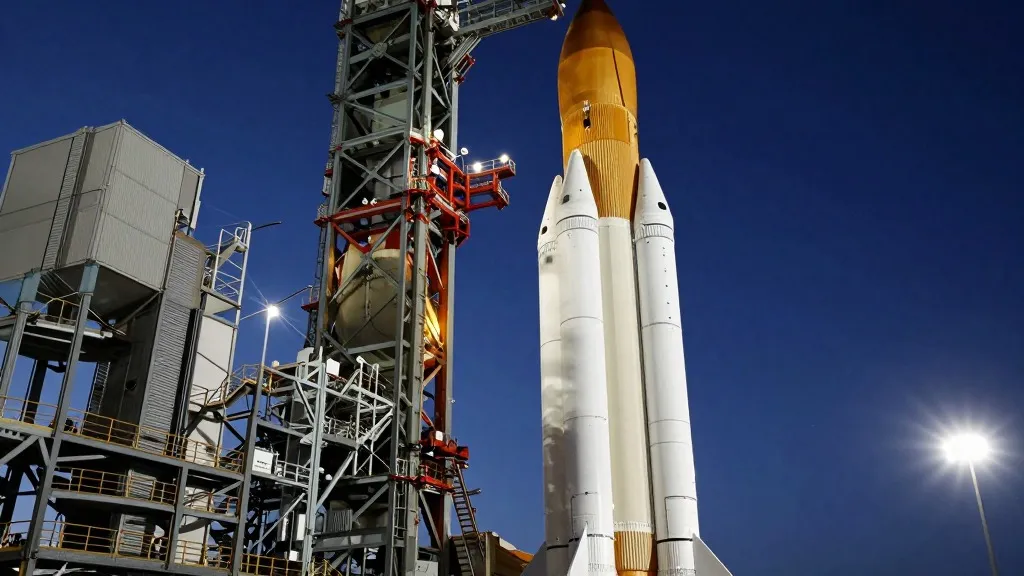
NASA has officially revised its architecture for returning astronauts to the Moon, confirming a target date of 2028 for a crewed lunar landing. During a comprehensive briefing held on Friday, agency leaders detailed the specific changes required to make this ambitious timeline feasible. The most significant alteration involves the interaction between SpaceX’s Starship and the Orion spacecraft. Under the new plan, these two vehicles will dock with each other in high Earth orbit before beginning their transit to the Moon. This shift represents a major departure from previous conceptual designs and marks the first time the agency has laid out these specific architectural adjustments in public.
The update also clarifies the role of Blue Origin in the Artemis program. The revised strategy for the Blue Moon lander involves four separate launches of the New Glenn rocket. Notably, this configuration eliminates the need for complex spacecraft-to-spacecraft refueling operations in deep space. Instead, the plan allows for the Blue Moon lander to rendezvous with Orion in low lunar orbit. This approach simplifies the logistics for Blue Origin and reduces the technical risks associated with propellant transfers in the harsh environment of space.
Agency officials maintained their optimistic trajectory for the upcoming milestones. They continue to anticipate that the Artemis III mission, which serves as a demonstration of docking capabilities with both the Blue Moon and Starship vehicles near Earth, will launch by the summer of 2027. Following this demonstration, the agency is tracking toward a 2028 launch for Artemis IV. This mission would finally place astronauts on the lunar surface. NASA Administrator Jared Isaacman expressed confidence in the revised roadmap, stating, “This is an achievable path we are on right now. We have the mandate, we have the resources, and the support from our stakeholders to be able to execute, and that’s what we intend to do.”
The decision to change the docking location for SpaceX was driven by engineering challenges identified during early 2026 meetings. SpaceX engineers had previously requested the removal of a requirement to dock with Orion in a near rectilinear halo orbit around the Moon. This particular orbit demanded significant energy and presented other technical difficulties. The problem was effectively solved when NASA canceled the Lunar Gateway project earlier this year. By eliminating the gateway, the agency removed the logistical hurdle that had complicated the Starship integration process.
The broader context of these changes reflects a pragmatic approach to accelerating the program. Isaacman and his leadership team have conducted a thorough review of every element within the Artemis framework. They sought to identify areas where adjustments could help the lunar lander companies execute their plans more efficiently and accelerate their development schedules. While the specific dates remain aggressive, the agency believes the revised architecture provides a clearer and more manageable path forward. The focus now shifts to ensuring that both commercial partners can deliver the necessary hardware and software capabilities to meet the 2027 and 2028 deadlines. The success of these missions will hinge on the seamless integration of these distinct systems and the ability to maintain the momentum established during this planning phase.
Source: Ars Technica