Tesla’s Robot Deliveries Slip Again as Technical Hurdles Persist
Tesla’s external rollout for its humanoid robot is postponed to late 2027 amid unresolved hardware and software issues.
By Thomas Reynolds ·
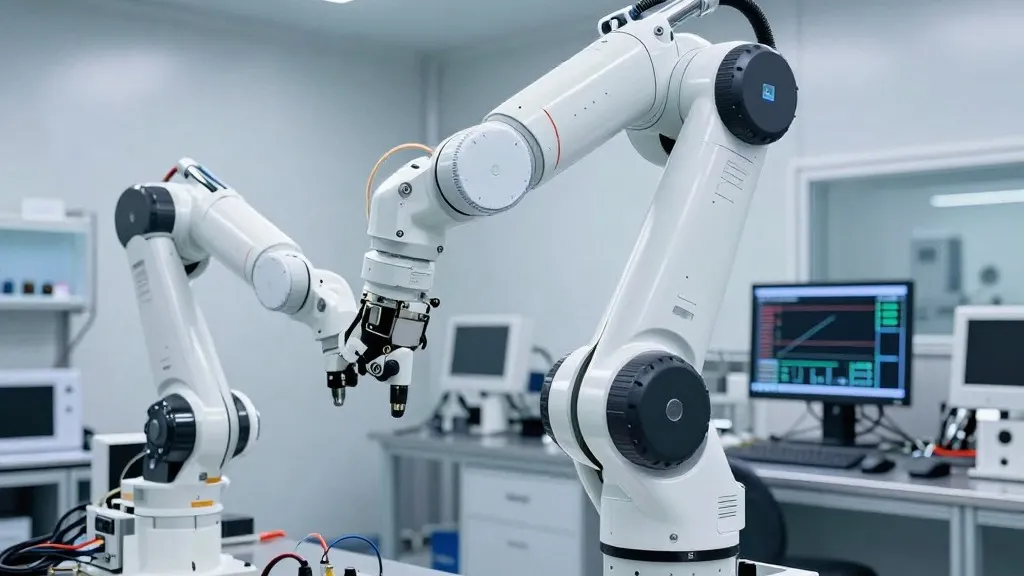
Tesla has once again pushed back the timeline for releasing its Optimus humanoid robot to external customers, now targeting the end of 2027. On the company’s Q3 2026 earnings call, Elon Musk acknowledged that significant work remains on the robot's hardware and artificial intelligence before it can be deployed commercially. This delay highlights the ongoing challenges in creating a durable and capable general-purpose robot.
Musk reported that early production has begun on a high-volume line in Fremont, but reaching the target of 20,000 units per week will take at least a year. He outlined three specific areas requiring resolution: the AI architecture, the electromechanical design, and overall reliability, ensuring the robot does not wear out quickly. Specifically, the hand design and custom gears remain major hurdles. Fingers must be soft enough to handle delicate objects yet durable enough to withstand constant use, a problem Musk notes is complicated by the fact that robots cannot heal like humans can.
The development of a capable AI presents another significant obstacle. Because Tesla lacks a large fleet of robots to collect training data, similar to its electric vehicles, it plans to generate data by building 10,000 to 20,000 units for an internal 'Optimus Academy.' Additionally, Tesla intends to integrate its AI5 chip into Optimus around April 2027. Musk promised to release a video within a month or two showing the robot performing tasks that are not pre-programmed, aiming to demonstrate real-world capability.
The current timeline represents a shift from earlier projections. In 2024, the company indicated that high-volume production for external customers would occur in 2026. Furthermore, Tesla’s own Q3 shareholder letter describes the current batch as the 'first production-quality bots,' implying that earlier units did not meet production standards. Despite Musk's assertion that no competitor is close to Tesla, other companies are advancing. XPeng plans mass production by late 2026, while Boston Dynamics has already begun deploying its electric Atlas robot in industrial settings, including with Google DeepMind.
The stakes for Tesla remain high as it attempts to navigate these technical barriers. The company faces the same fundamental issues as its competitors: creating hands capable of real work, ensuring reliability, and developing AI that can generalize to new tasks. While Tesla may produce a high volume of units, the inability to resolve these core problems has led to repeated delays. Competitors like Boston Dynamics and XPeng are pursuing similar delivery timelines, challenging the narrative that Tesla is far ahead in the race to deploy useful humanoid robots.
Source: Electrek