Robotaxi Reality: Tesla Sets Year-End Target for Cybercab Customer Deliveries
Tesla confirms production of the steering-wheel-free Cybercab is active, with initial private sales targeted for late 2026 to complement its expanding robotaxi fleet.
By Thabo Mokoena ·
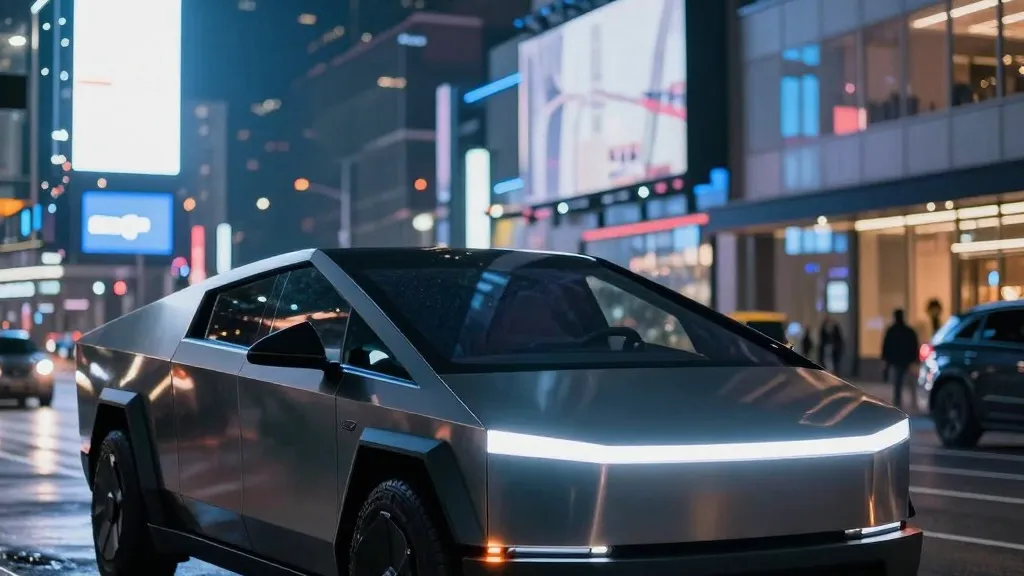
The wait is officially over. Tesla has locked in a specific window for the general public to secure ownership of the Cybercab, the controversial two-seat vehicle that has defined the company's autonomous driving ambitions for the past several years. As of this week, the timeline for when these units will leave the factory and land in private hands is no longer a matter of speculation or vague promise. The target is set for before the calendar year concludes, marking a significant milestone in the transition from prototype to product.
During the third-quarter 2026 earnings call held on October 21, the company provided concrete figures regarding the rollout. Vice President of Engineering Lars Moravy stated that the goal is to have Cybercabs in the hands of customers by the end of 2026. This announcement clarifies the production status of the vehicle, which has been rolling off the line at Gigafactory Texas since February. While the assembly process is fully underway, the current output is being strategically allocated to a specific internal use case before reaching the broader market.
Moravy detailed that every unit currently coming off the production line is being directed to Tesla’s internal Robotaxi fleet. This strategy allows the company to refine its logistics, fleet management, and autonomous operation protocols without the added complexity of private ownership. As the operational scale increases, the plan is to shift focus toward delivering fully designed autonomous vehicles to the general consumer, with the Cybercab serving as the inaugural model in this new category of direct-to-consumer robotaxi sales.
CEO Elon Musk reinforced the strategic direction during the same call, emphasizing that the Cybercab is not intended to be a traditional personal vehicle. He described the model primarily as a "transport-as-a-service" offering, distinct from the ownership models of the Model 3, Model Y, or the upcoming Roadster. According to Musk, the vast majority of Cybercab units will remain Tesla-owned and operated as part of the shared mobility fleet, rather than being sold for individual private use.
The vehicle itself represents a radical departure from conventional automotive design. The Cybercab is a two-seater configuration that eliminates the steering wheel and pedals entirely, relying completely on Tesla’s Full Self-Driving suite for all maneuvering. Production began in February of this year, and the first batch of units was integrated into the public Robotaxi service in early September. This initial deployment allowed the company to test the vehicle in real-world conditions ahead of the broader customer rollout.
Financial expectations for the vehicle were previously outlined by Tesla, which indicated an aim to sell the Cybercab for approximately $30,000. This price point is central to the company’s vision of making autonomous transportation affordable for a mass market. The limited nature of early private sales is a deliberate choice, allowing the engineering team to manage the complexities of handing over control to customers who may not have the same operational oversight as Tesla’s internal fleet managers.
However, the path to widespread availability is not without obstacles. Ashok Elluswamy, Tesla’s Head of AI, noted during the earnings call that unsupervised Full Self-Driving technology is expected to ship to consumer cars during the second quarter of 2027. This timing suggests that while the hardware for the Cybercab is ready, the software maturity for fully unsupervised operation in private hands may still require further refinement and validation.
Regulatory factors also play a crucial role in the delivery timeline. Early buyers or fleet operators may find that the autonomous capabilities of their vehicles are geographically restricted, a consequence of regulatory agencies lagging behind the pace of technological development. These hurdles indicate that while the Cybercab will be available for purchase by year-end, the full potential of its autonomous features may be phased in gradually as regulatory frameworks catch up to the technology.
The stakes for this rollout are high for Tesla’s long-term strategy. By launching the Cybercab as a primary service vehicle, the company is testing the waters for a future where ownership is secondary to accessibility. The transition from an internal fleet to a customer-facing product marks a pivotal moment in the automotive industry, challenging traditional notions of car ownership and setting the stage for a deeper integration of autonomous vehicles into daily life. As production scales, the focus will shift from proving the technology works to proving the business model sustains it.
Source: Teslarati