Tesla Reveals Roadster's Fighter-Jet-Inspired Cockpit Interface
The new display system prioritizes aerodynamic control and thruster status, signaling a distinct departure from the company's standard vehicle software.
By Jacob Leary ·
Tesla has provided the most detailed glimpse yet into the digital cockpit of its upcoming next-generation Roadster.
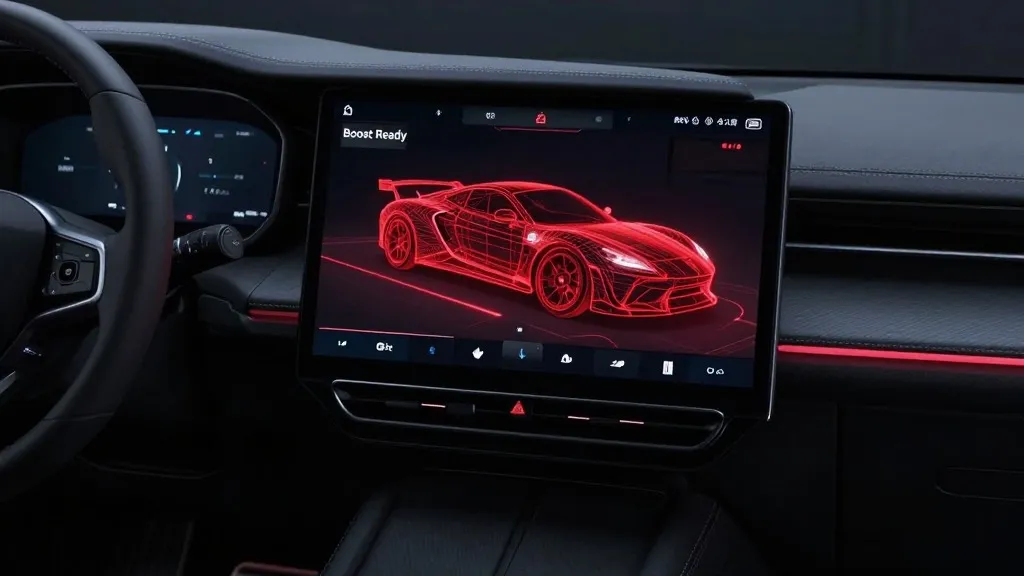
In a 34-second video shared on X on Friday afternoon, the company highlighted a user interface designed explicitly around the concept of a pilot, mirroring the layout of fighter jet cockpits. This presentation marks a significant shift in how Tesla approaches driver interaction for its performance vehicles. Unlike the map-centric layouts found in the Model 3 and Model Y, the Roadster’s home screen centers on a 3D wireframe of the vehicle itself. This design choice places the car’s physical state at the forefront of the driver's experience, with tabs for Home, Vehicle, Listen, Climate, and Navigate lining the bottom of the display.
The software’s focus on performance is most evident in its Track Mode, which dominates the majority of the demonstration footage. The dashboard presents a live circuit map alongside granular telemetry, including session lap times, brake and motor temperatures, and individual tire pressure and temperature readouts. A dedicated setup page allows drivers to select from Auto, Low Drag, High Downforce, or Custom aerodynamic modes. Drivers can also fine-tune aero and brake balance, as well as disable stability and traction control systems for maximum performance.
Crucially, the interface integrates the vehicle’s unique propulsion hardware. A status bar displays “Thruster · 5,500 PSI” next to a “Boost Ready” indicator, directly linking the software to the cold gas thruster system. This hardware, which utilizes carbon overwrapped pressure vessels, was showcased near Waco, Texas, in mid-October. Tesla claims the Thrust and Rocket variants, which feature this system, can accelerate from 0 to 60 mph in under 0.9 seconds and under 0.59 seconds, respectively. In contrast, the base Performance model relies on a fan and ground sealing system for grip, with the on-screen aero settings corresponding to its active wing and suction technologies.
The hardware and software integration suggests a new tier of performance for the brand, though specific details remain subject to change before mass production. Tesla has not confirmed whether the advanced Track Mode telemetry seen in the Roadster will be ported to other models, such as the Model 3 Performance. The company’s Roadster page indicates that two smaller forward displays will accompany the main touchscreen, further differentiating the cockpit from the rest of the lineup.
Production of the Roadster is scheduled to begin in 2028, according to Elon Musk. However, the top-tier Rocket version is currently not approved for public road use. Reservations are open for a $50,000 payment, with the Thrust version listed as a limited release and the Rocket version available on an invite-only basis.
For those eager to see the physical vehicle, the public will have its first opportunity this weekend. The Roadster is scheduled to be displayed in the lobby of the Petersen Automotive Museum in Los Angeles from October 24 to 27, according to Sawyer Merritt. This exhibition marks the first time the car will be viewable up close by the general public.
Source: Teslarati