Ukraine Seeks Backup Plans as Starlink Reliability Wavers
European nations and Kyiv are urgently evaluating alternatives to satellite internet after recent service interruptions raised concerns about long-term dependence.
By Jasmine Coleman ·
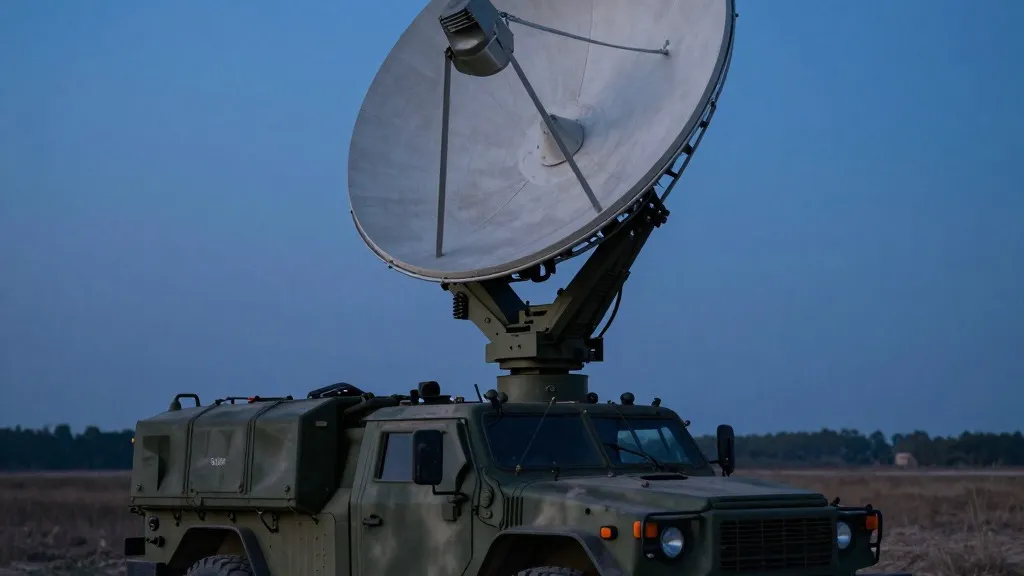
The backbone of Ukraine’s digital warfare is cracking under political pressure.
For years, Elon Musk’s Starlink network has served as the critical infrastructure supporting Ukraine’s resistance against Russia’s full-scale invasion. However, recent disruptions to service have forced both Ukrainian officials and European allies to confront a stark reality: they can no longer assume unlimited access to the world’s largest communications satellite network. The reliability of this system is increasingly being viewed through the lens of Musk’s political inclinations, prompting urgent discussions on how to maintain connectivity if the service becomes unstable or unavailable.
Starlink has become indispensable to both civilian life and military operations in Ukraine. The network provides high-speed internet and data streams to any user or vehicle equipped with a compact terminal. This connectivity is not just about staying online; it is a tactical advantage. Ukrainian forces rely on these links to remotely control drones, guide air defense systems against incoming Russian attacks, and provide real-time guidance for strikes on enemy targets. The integration of this satellite technology into the military’s operational fabric means that any drop in service directly impacts the battlefield.
Despite the widespread adoption, the technology is not without limitations. A senior hardware research and development official at the Ukrainian defense company BlueBird Tech noted that Starlink currently offers some of the best satellite coverage available. This assessment considers the specific combination of cost, availability, and ease of use, for which the service has virtually no competitors in the current market. The main practical constraint identified is physical: users must position their antennas correctly to receive signals from the satellites above.
The financial and logistical support for this network has been substantial. The United States government, along with European nations including Poland and Germany, has funded the purchase of tens of thousands of commercial Starlink terminals. These countries have also covered the ongoing subscription fees to ensure continuous operation. Beyond commercial equipment, the US has granted Ukraine’s military access to a specialized, military-grade version of the service known as Starshield. This advanced tier allows Ukrainian defense companies to test their own technologies in direct cooperation with the military, further deepening the technical integration between the two.
The recent surge in unreliability has shifted the strategic conversation from simple procurement to long-term independence. While the current system remains superior in terms of performance metrics, the political volatility surrounding its owner has introduced a new variable into national security planning. European and Ukrainian leaders are now weighing the costs of developing alternative satellite constellations or enhancing ground-based infrastructure against the proven efficacy of the existing Starlink setup.
The situation highlights a broader trend in modern conflict where commercial space assets become state-critical infrastructure. The anonymity of the BlueBird Tech representative underscores the sensitivity of these discussions. As the war enters its next phase, the ability to maintain seamless communication will determine the speed and accuracy of military responses. The question is no longer just about bandwidth, but about sovereignty over the data that flows through it.
For now, the service remains the primary option, but the window for comfortable reliance is closing. The recent disruptions serve as a wake-up call, signaling that the era of taking satellite internet for granted has ended. Moving forward, the focus will be on building redundancy to ensure that a single point of failure, whether technical or political, does not leave the battlefield in the dark.
Source: Ars Technica